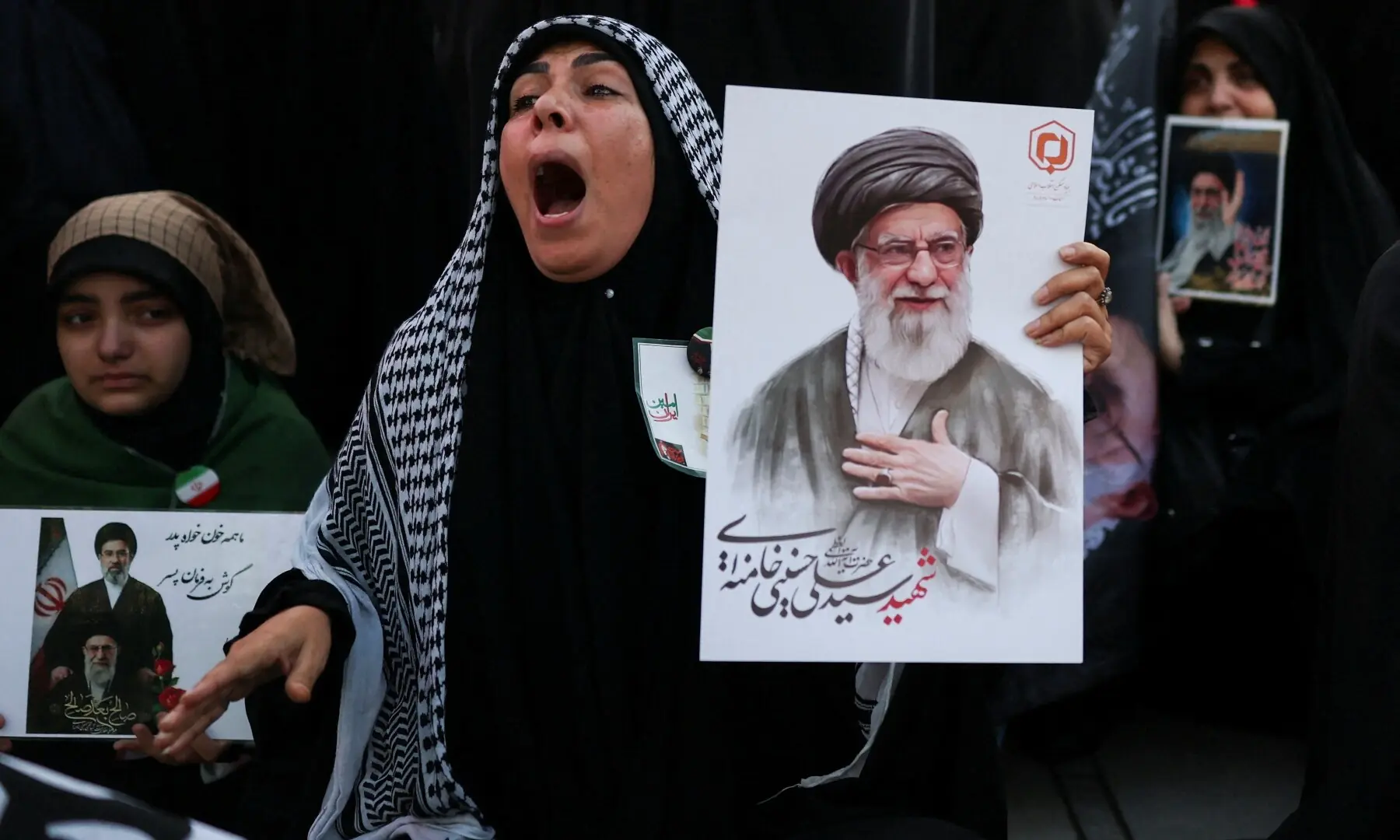
Khamenei, who ruled Iran for more than three decades, was killed in US-Israeli attacks on February 28 that sparked a regional war.
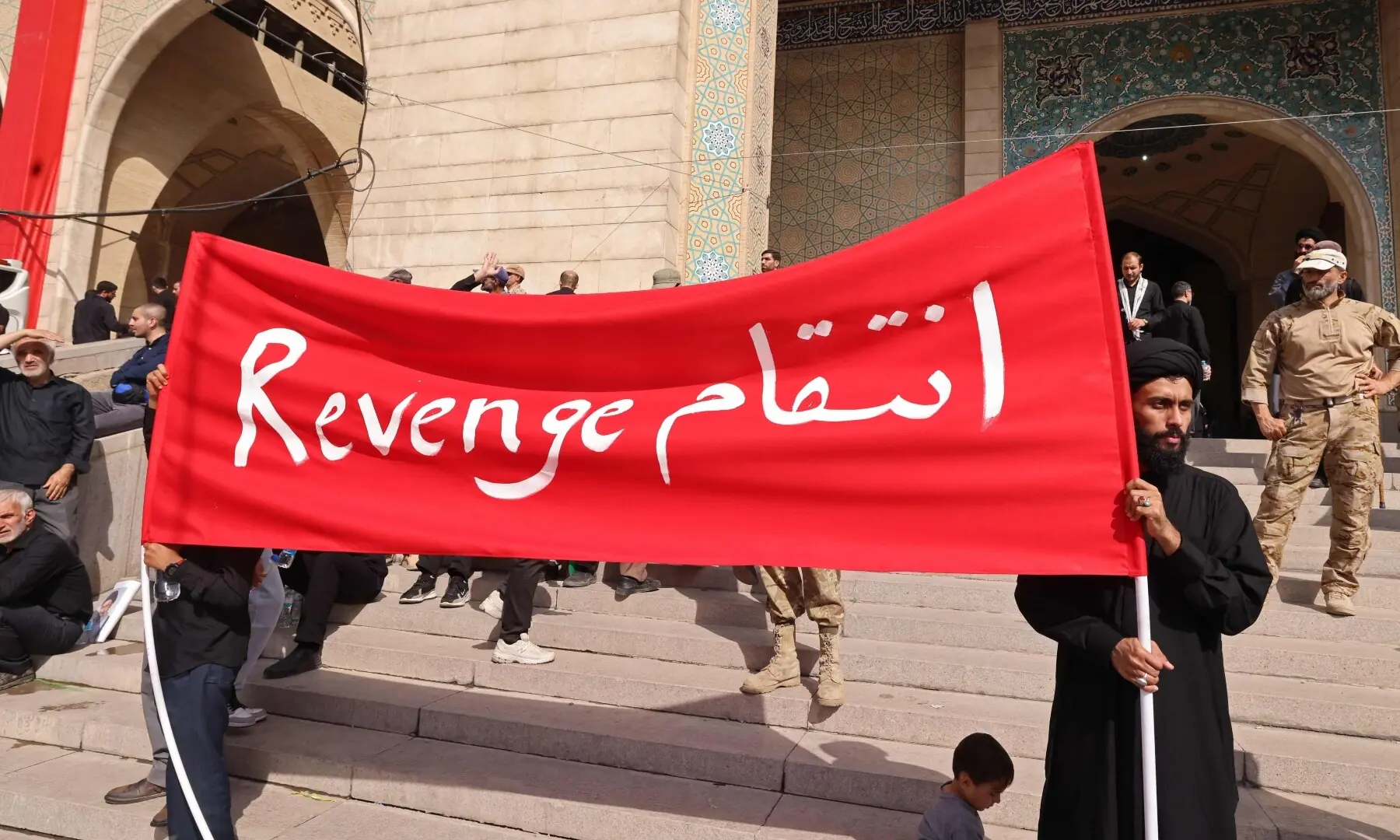
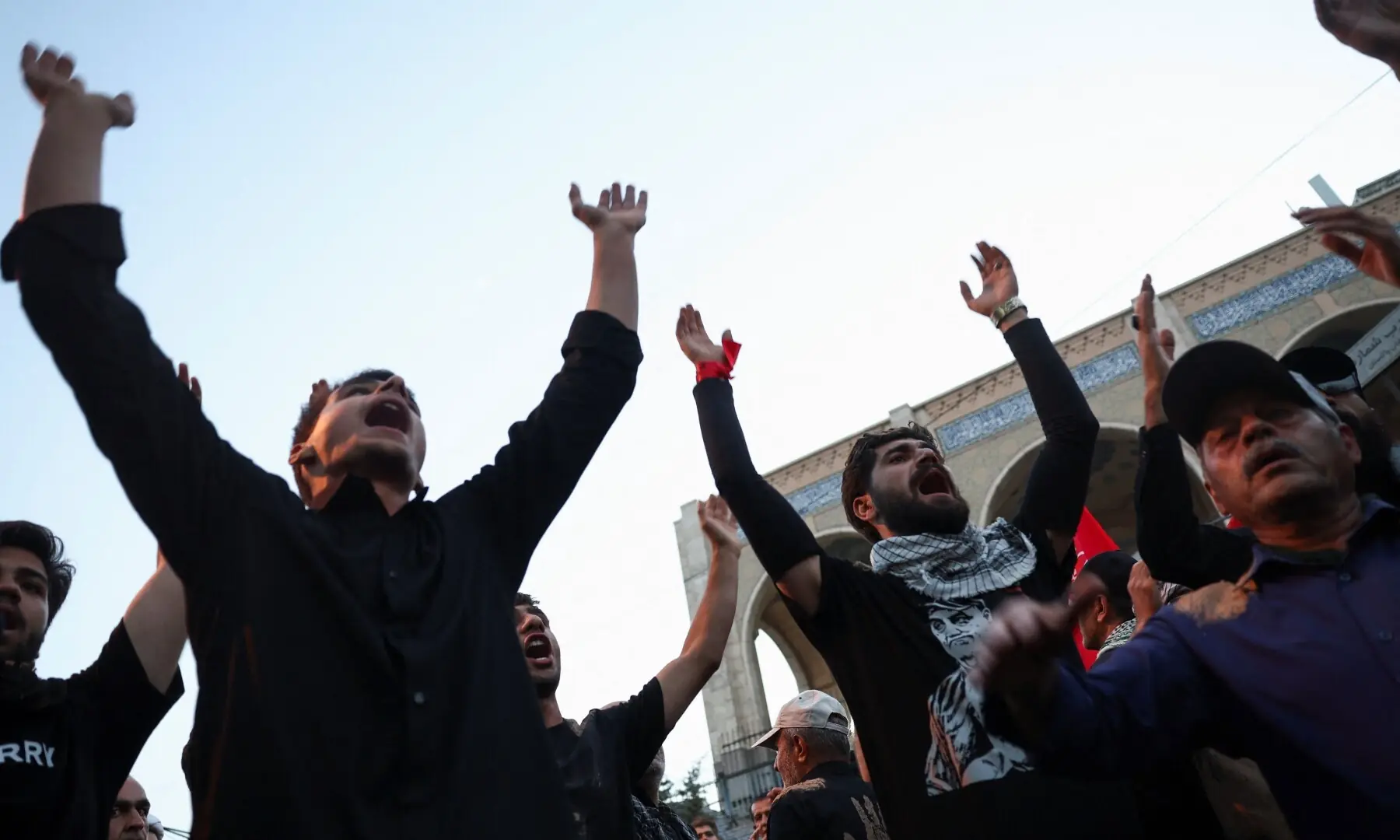
“We have come not for the funeral but for revenge,” a eulogist at the event chanted.
“We’re never going to give up your blood, which is the reddest line.”
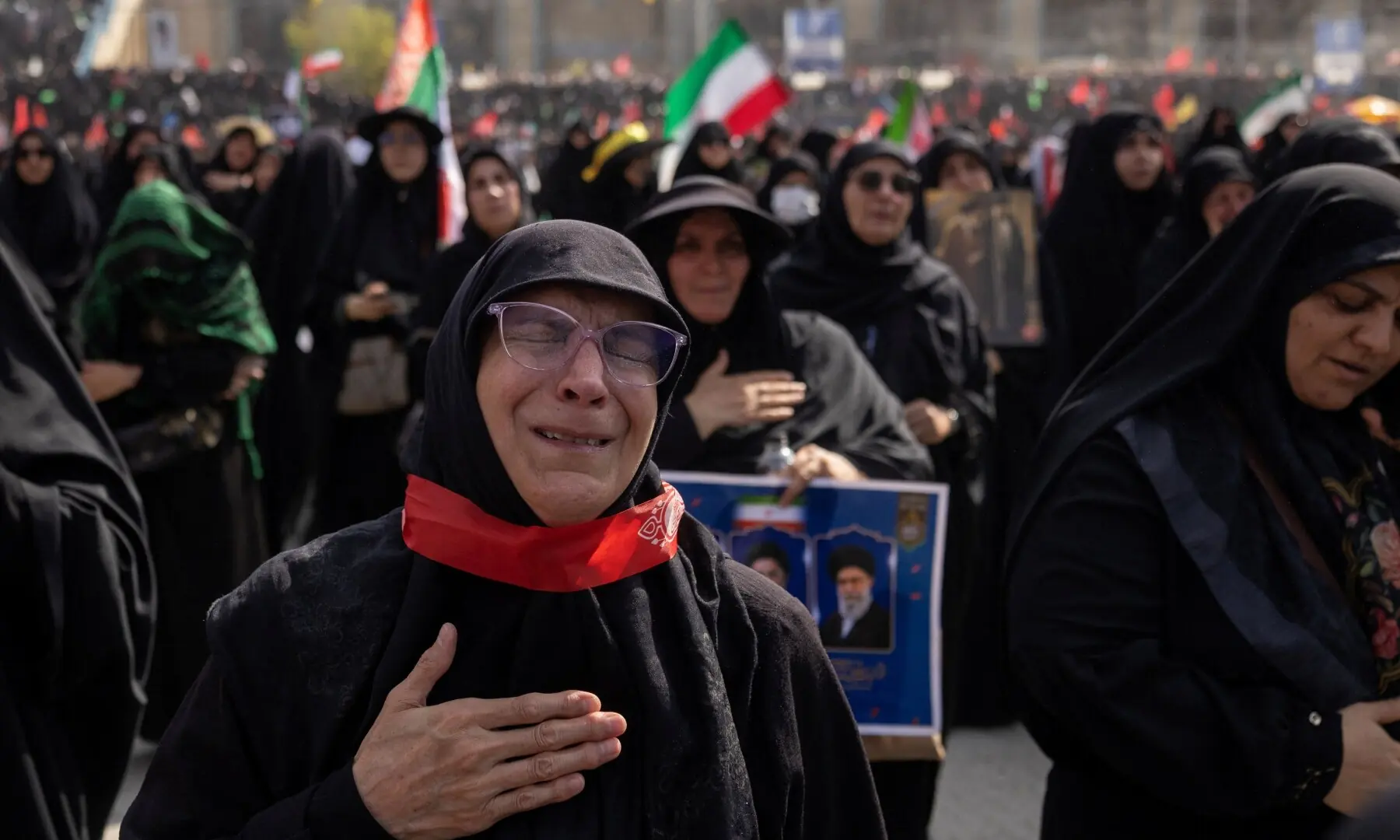
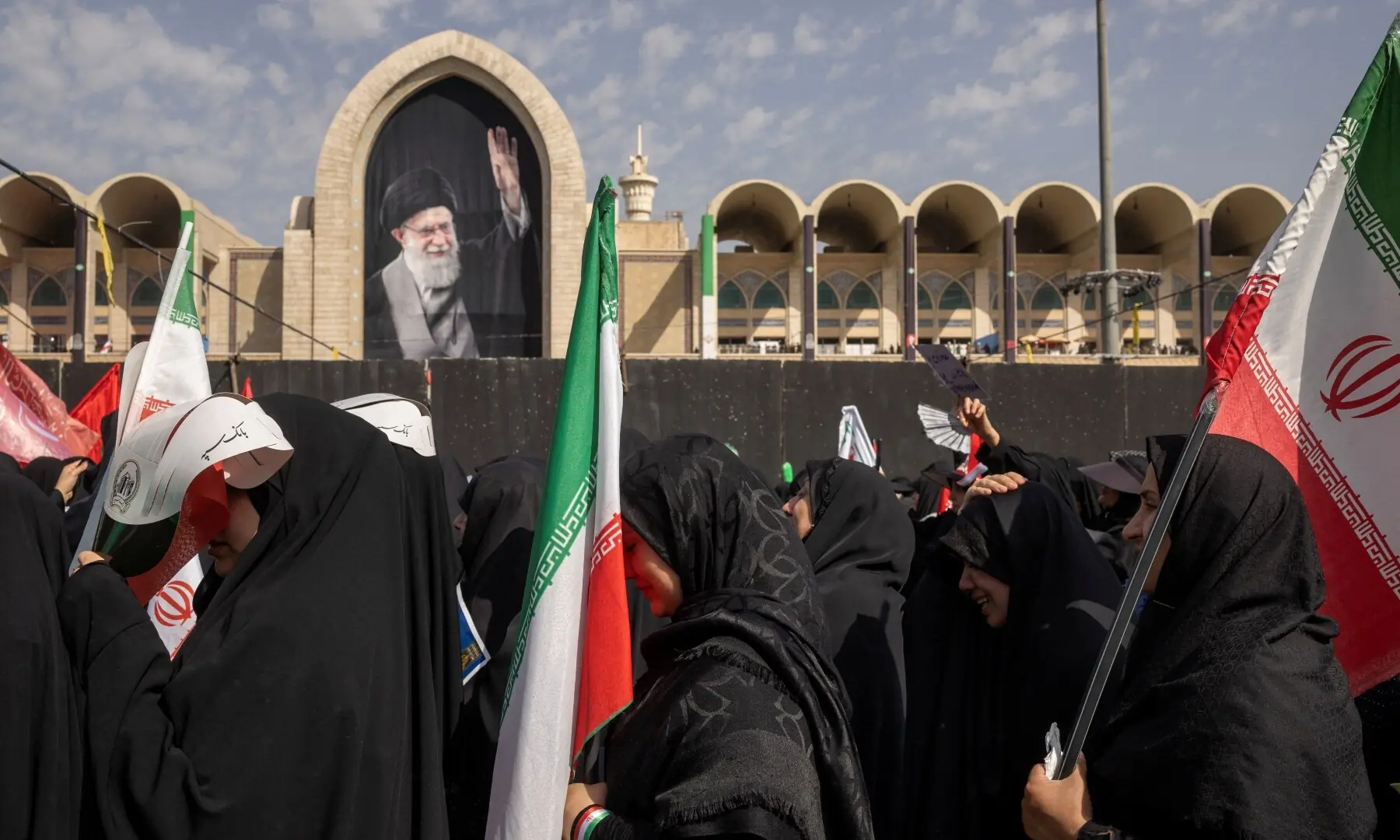
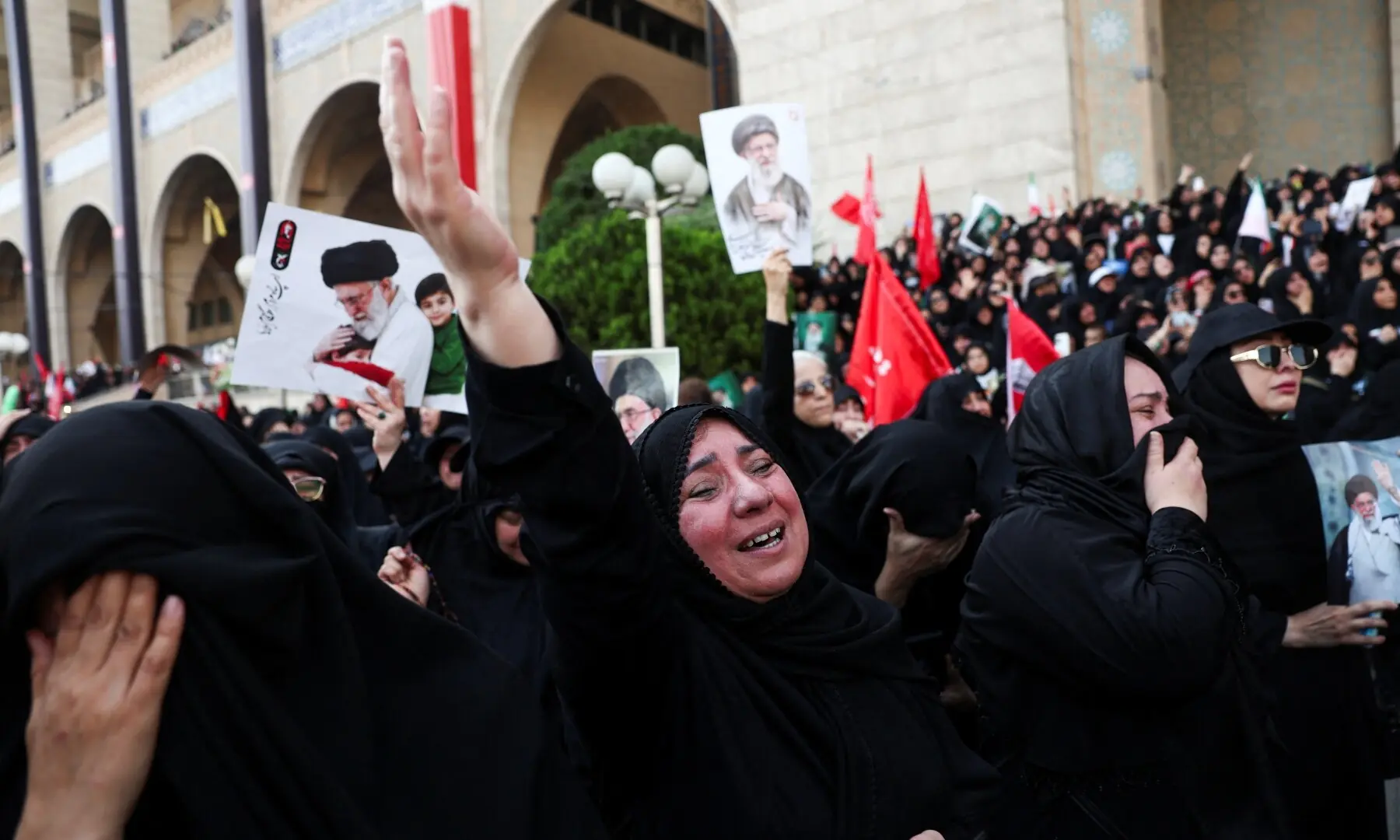
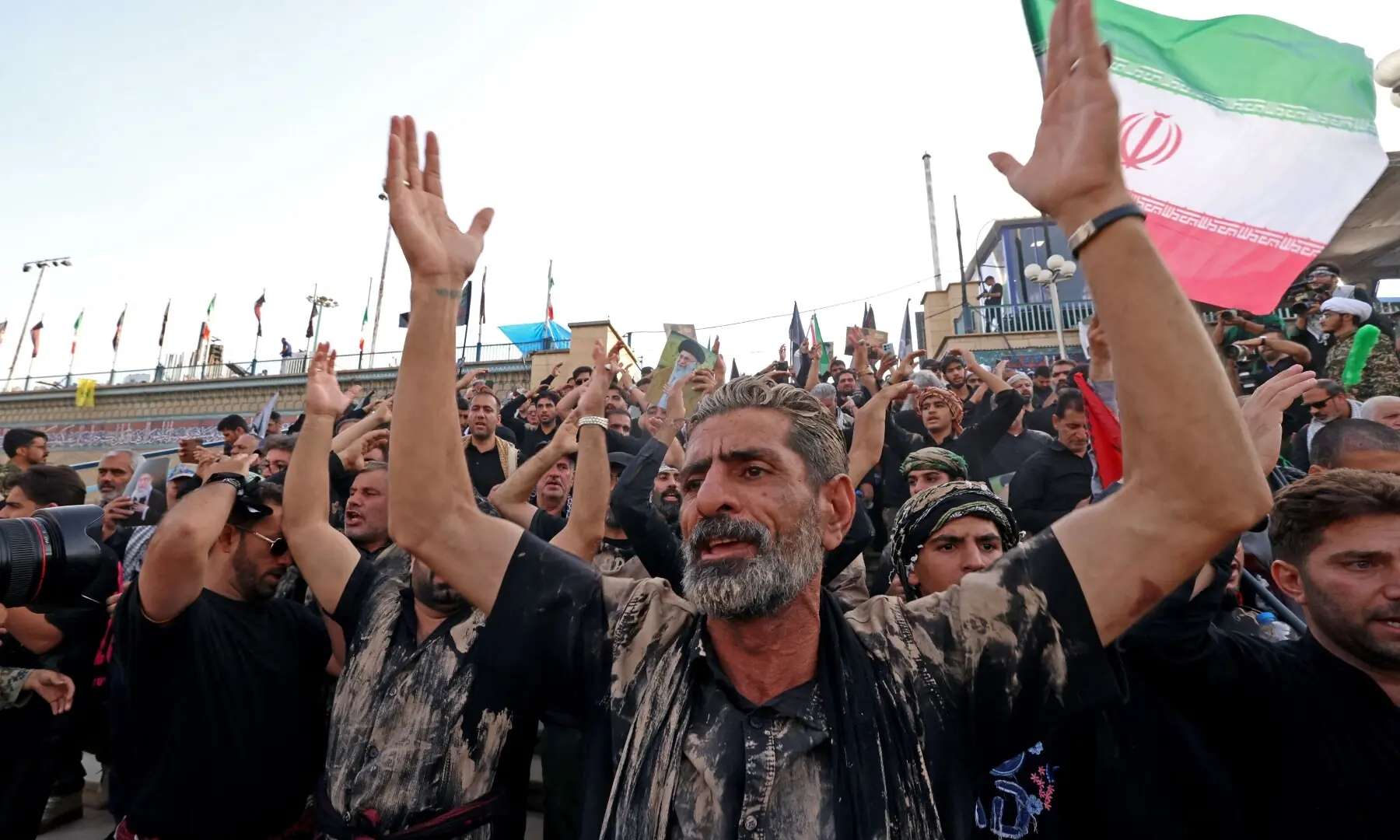
The mourners, some in tears, made their way through strict security towards the courtyard where Khamenei’s coffin was placed for people to pay their respects.
“We must rise up and, God willing, avenge the blood of our leader,” Hamidreza Shabani, an 18-year-old student, told AFP.
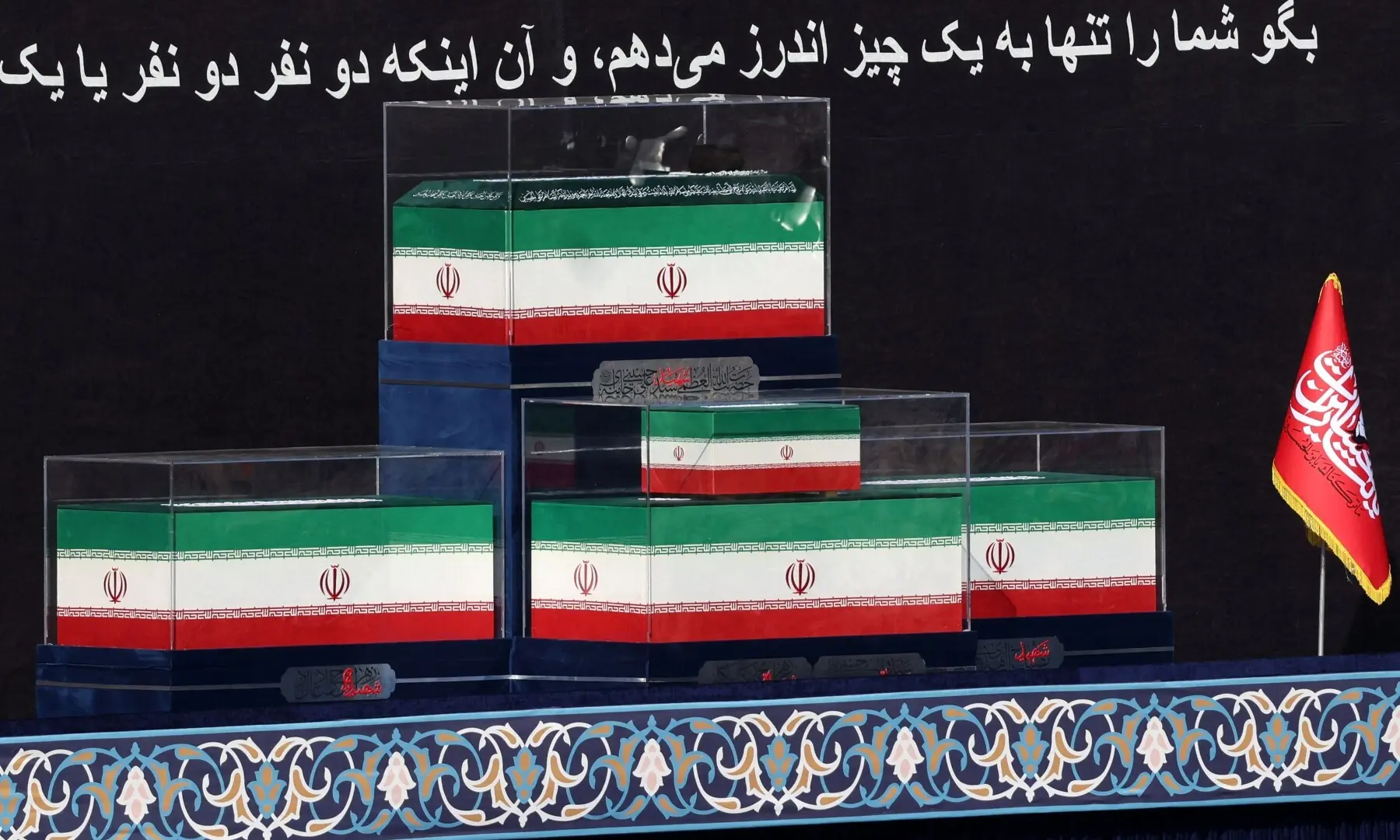
The coffin, wrapped in an Iranian flag, was unveiled on a stage from behind dark blue velvet drapes after recitations from the Quran. It stood on a raised platform accompanied by the coffins of his family members also killed in the US-Israeli attack.
Mourners react during a public farewell ceremony to pay their respects to late Supreme Leader Ayatollah Ali Khamenei, who was killed on February 28 in Israeli and US airstrikes, at the Imam Khomeini Grand Mosalla, in Tehran, Iran on July 4, 2026. — Reuters
Mourners react during a public farewell ceremony to pay their respects to late Supreme Leader Ayatollah Ali Khamenei, who was killed on February 28 in Israeli and US airstrikes, at the Imam Khomeini Grand Mosalla, in Tehran, Iran on July 4, 2026. — Reuters
Mourners react during a public farewell ceremony to pay their respects to late Supreme Leader Ayatollah Ali Khamenei, who was killed on February 28 in Israeli and US airstrikes, at the Imam Khomeini Grand Mosalla, in Tehran, Iran on July 4, 2026. — Reuters
Mourners react during a public farewell ceremony to pay their respects to late Supreme Leader Ayatollah Ali Khamenei, who was killed on February 28 in Israeli and US airstrikes, at the Imam Khomeini Grand Mosalla, in Tehran, Iran on July 4, 2026. — Reuters
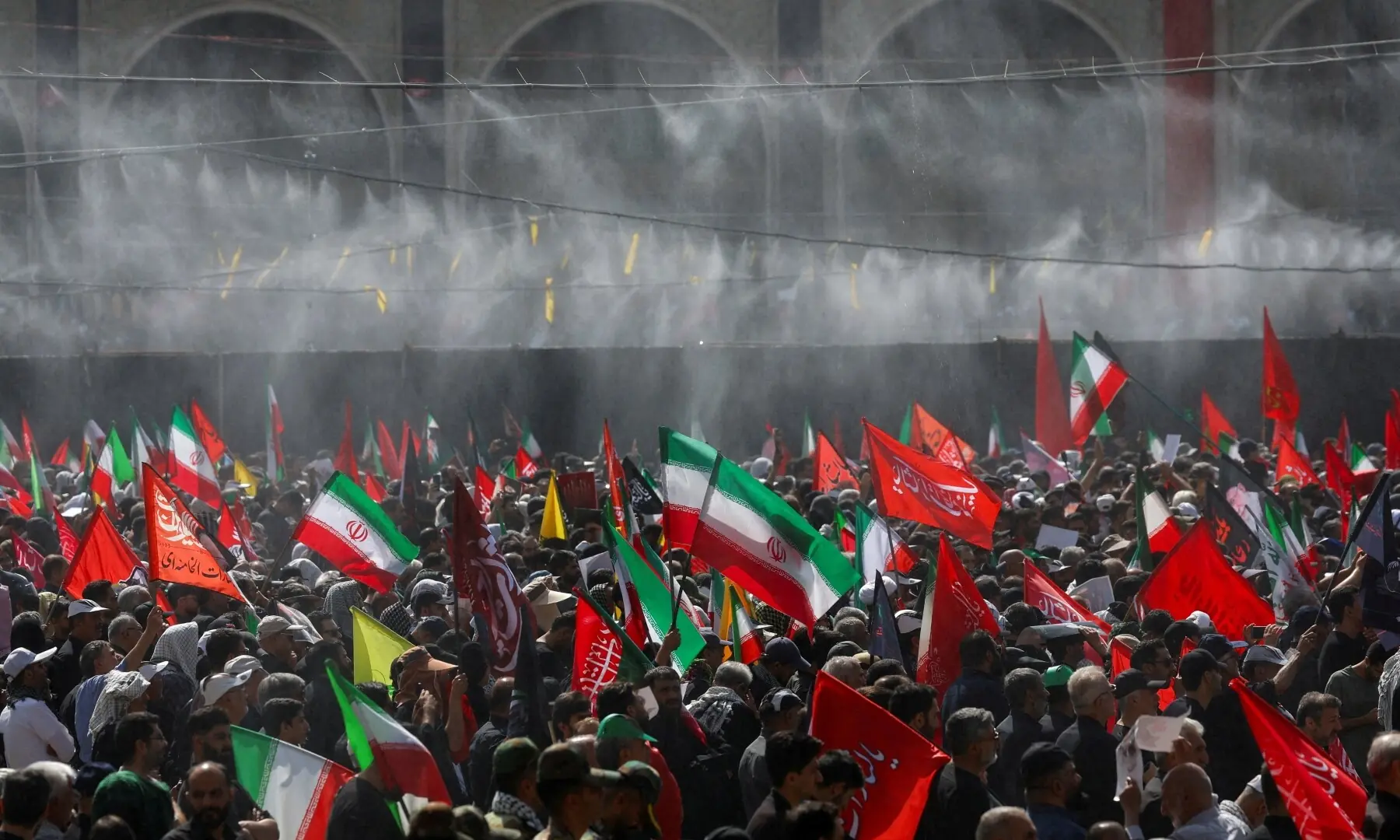
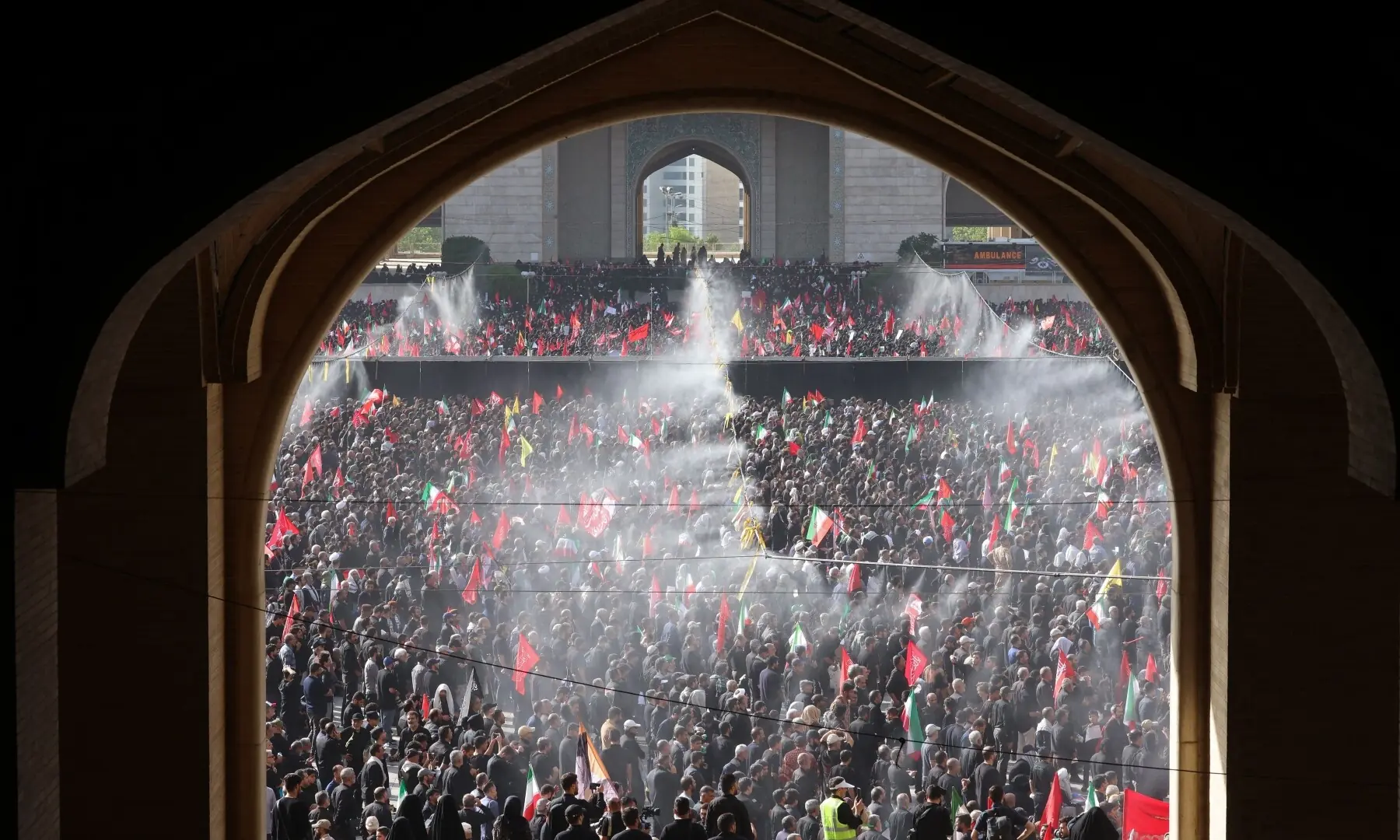
Water is sprayed on people attending a public farewell ceremony to pay their respects to late Supreme Leader Ayatollah Ali Khamenei, who was killed on February 28 in Israeli and US airstrikes, at the Imam Khomeini Grand Mosalla, in Tehran, Iran on July 4, 2026. — Reuters
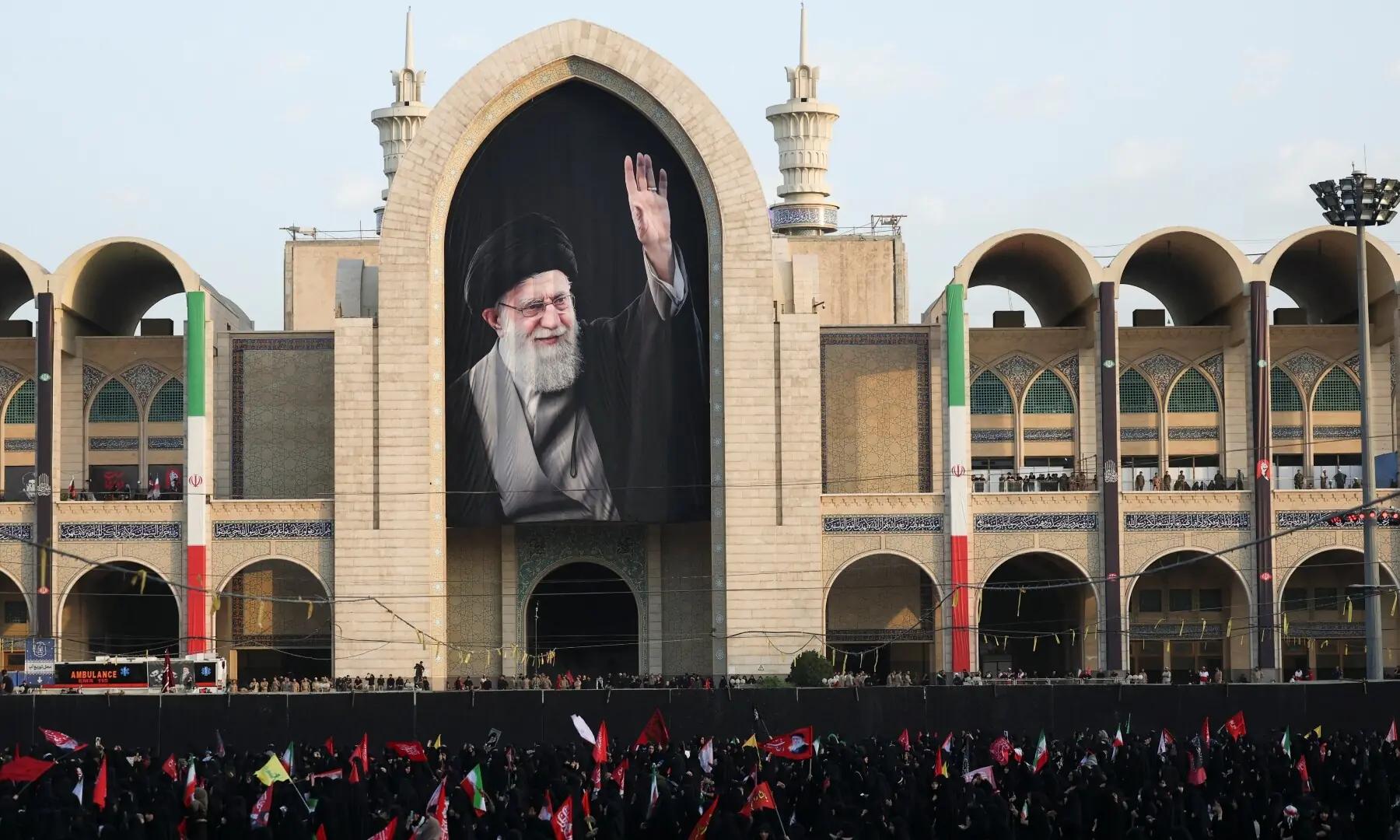
The coffins of Iran’s slain supreme leader Ayatollah Ali Khamenei and his family members are pictured at the Grand Mosalla at the start of the funeral ceremonies in Tehran on July 4, 2026. — AFP
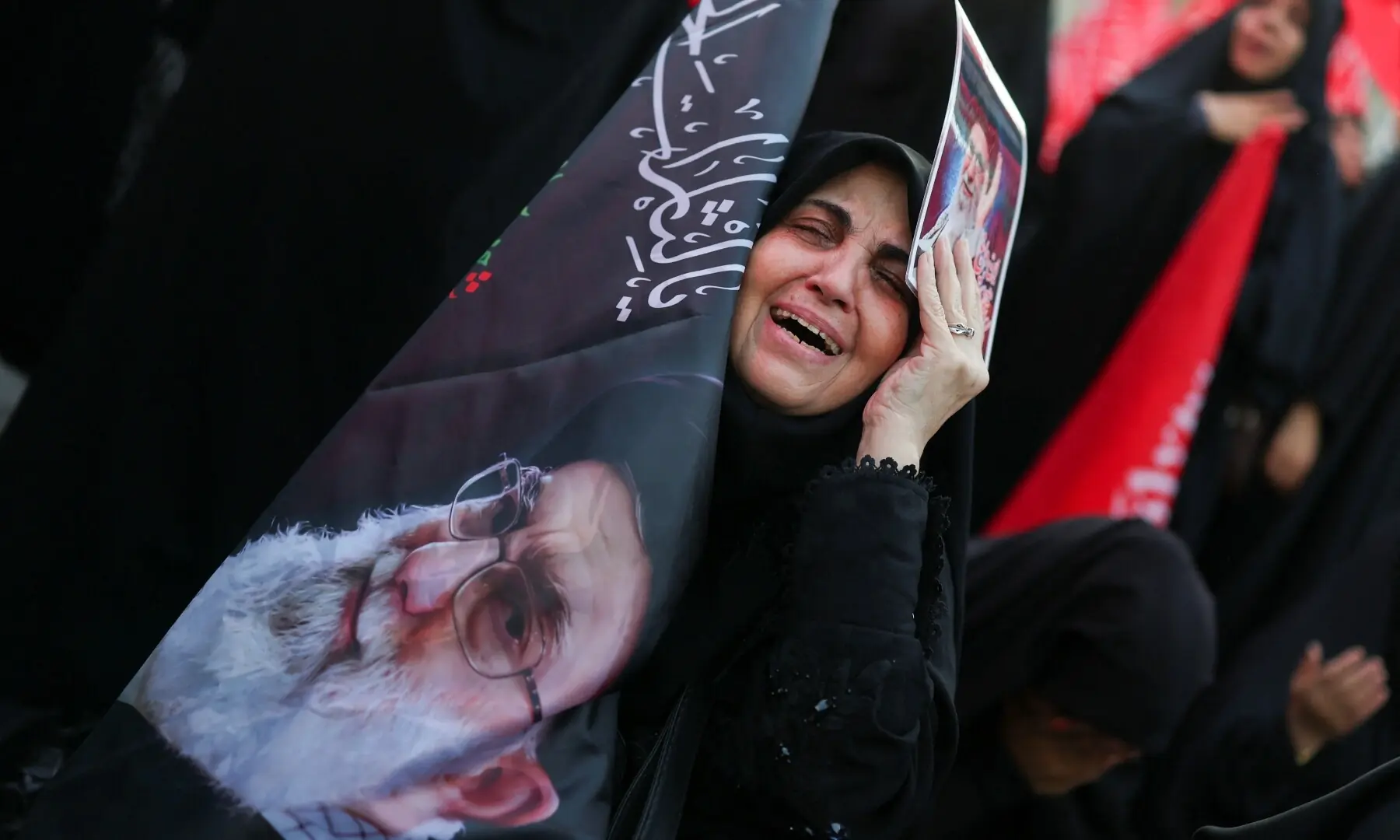
Mourners react during a public farewell ceremony to pay their respects to late Supreme Leader Ayatollah Ali Khamenei, who was killed on February 28 in Israeli and US airstrikes, at the Imam Khomeini Grand Mosalla, in Tehran, Iran on July 4, 2026. — Reuters
Mourners react during a public farewell ceremony to pay their respects to late Supreme Leader Ayatollah Ali Khamenei, who was killed on February 28 in Israeli and US airstrikes, at the Imam Khomeini Grand Mosalla, in Tehran, Iran on July 4, 2026. — Reuters
Mourners react during a public farewell ceremony to pay their respects to late Supreme Leader Ayatollah Ali Khamenei, who was killed on February 28 in Israeli and US airstrikes, at the Imam Khomeini Grand Mosalla, in Tehran, Iran on July 4, 2026. — Reuters
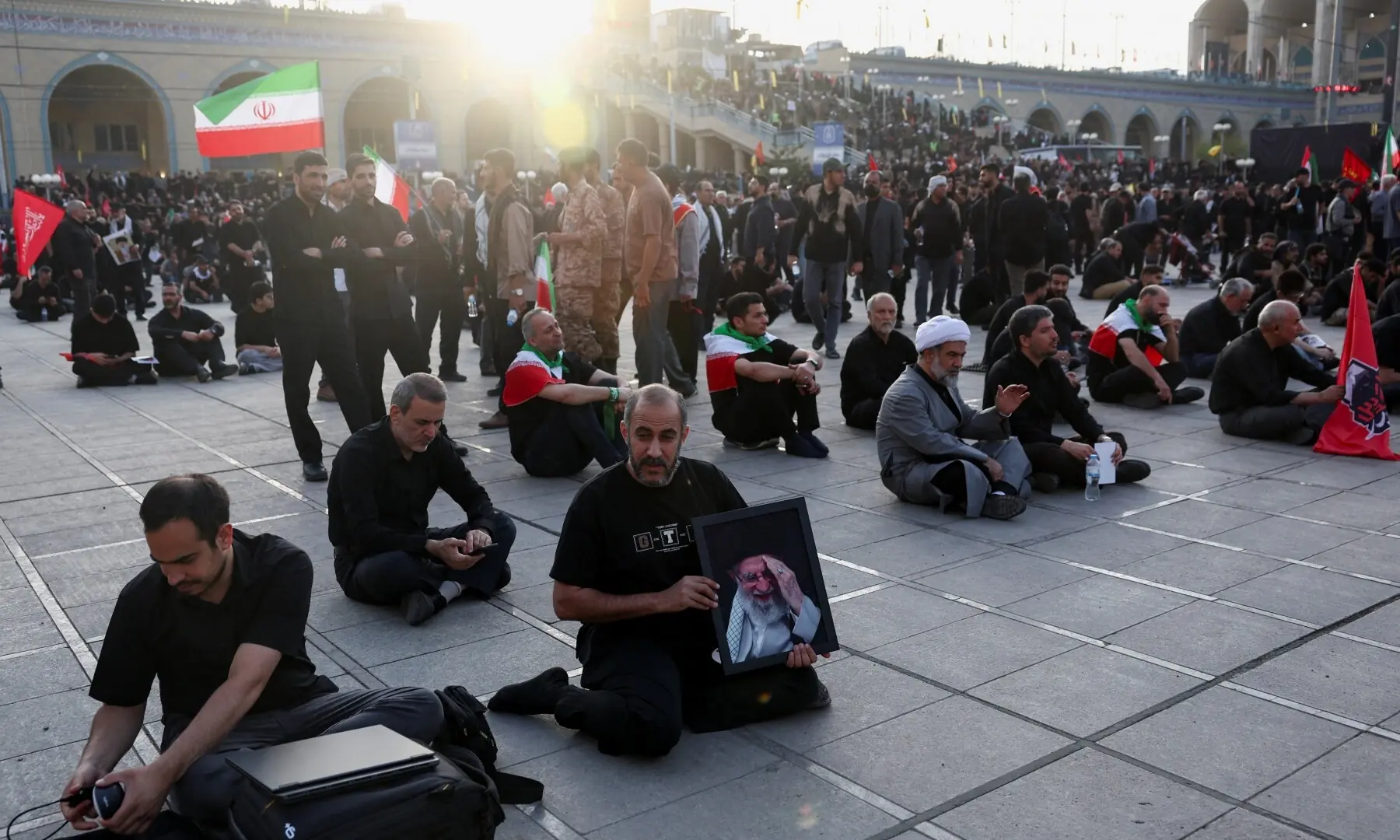
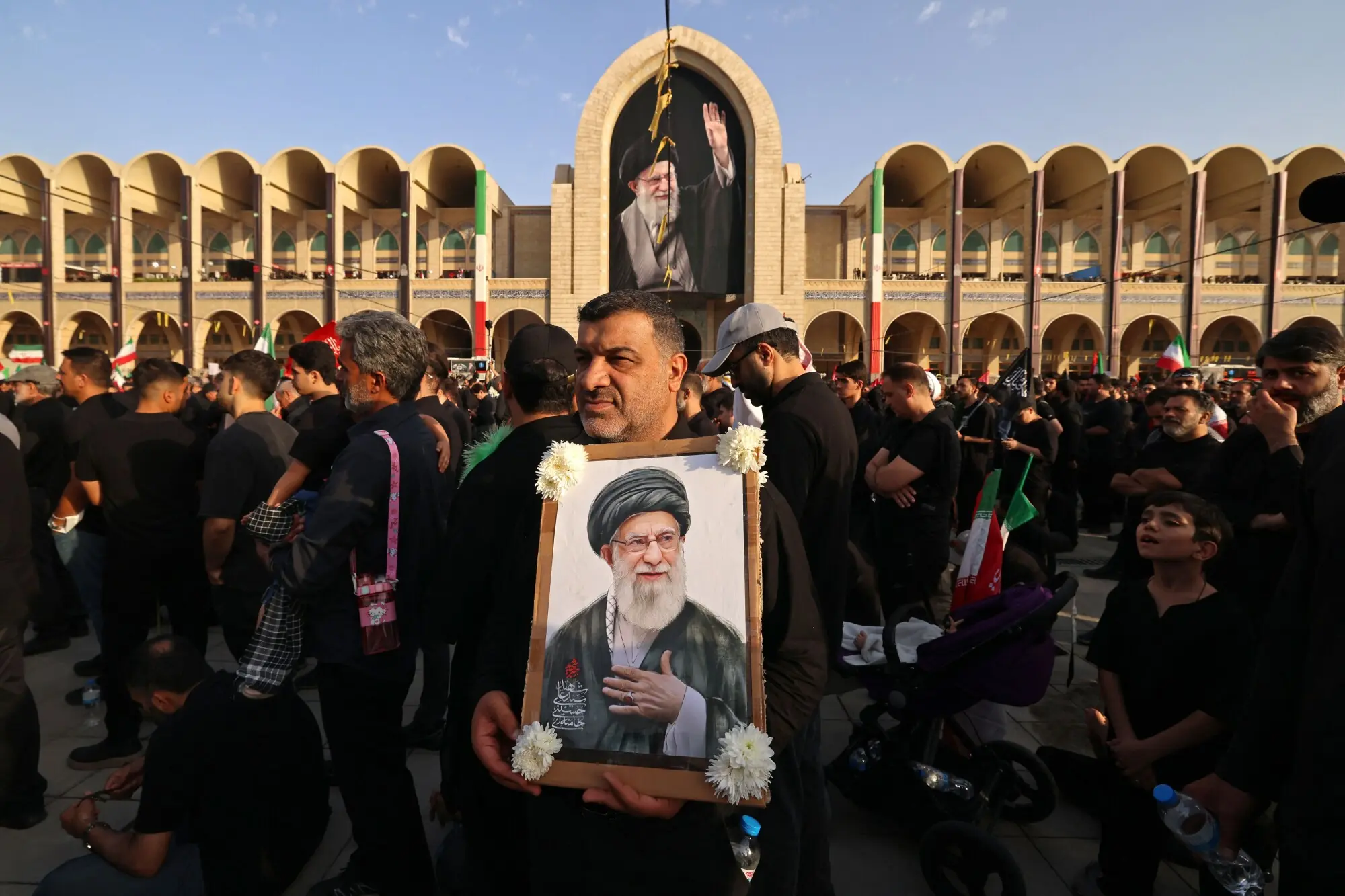
People gather on the day of a public farewell ceremony to pay their respects to late Supreme Leader Ayatollah Ali Khamenei, who was killed on February 28 in Israeli and US airstrikes, at the Imam Khomeini Grand Mosalla, in Tehran, Iran on July 4, 2026. — Reuters
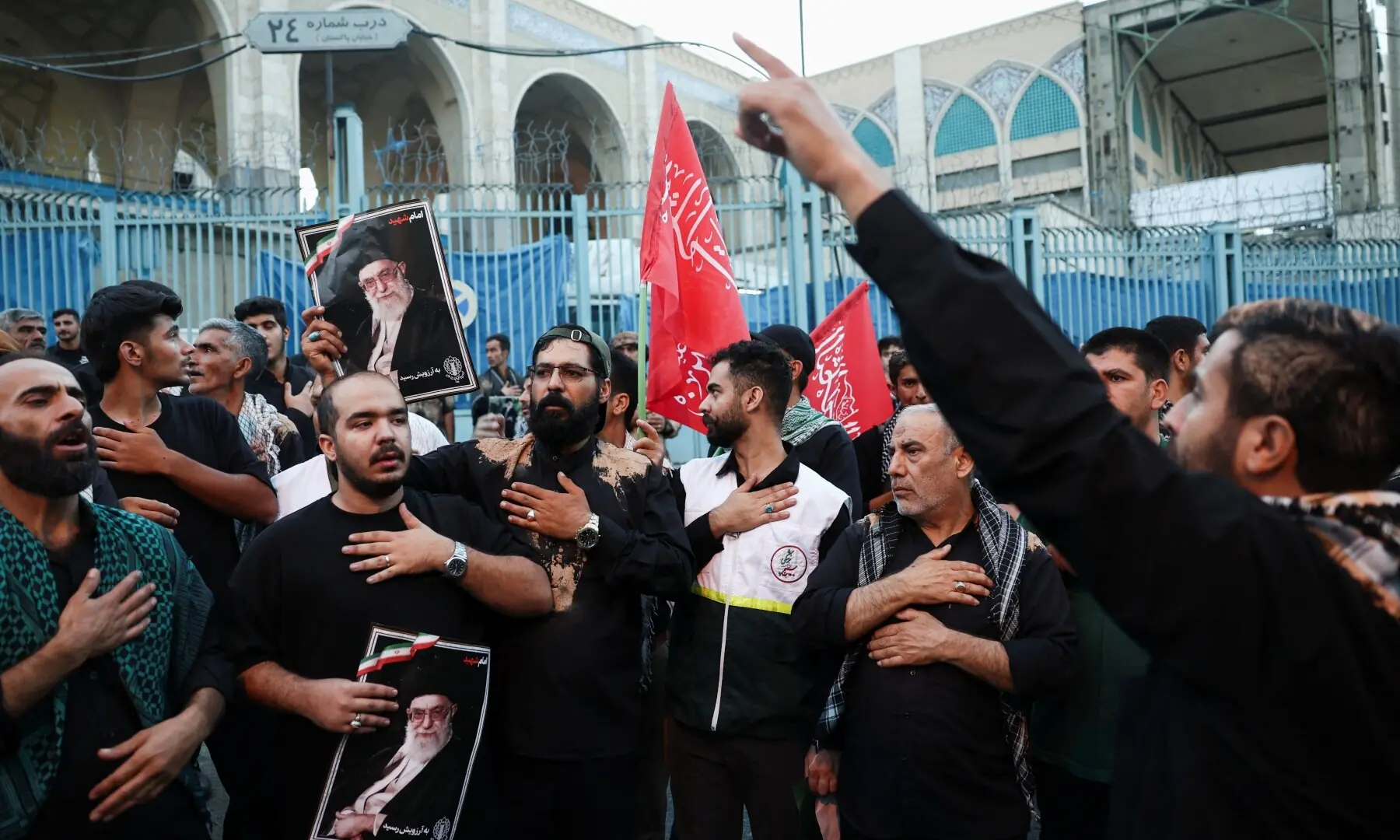
Mourners react during a public farewell ceremony to pay their respects to late Supreme Leader Ayatollah Ali Khamenei, who was killed on February 28 in Israeli and US airstrikes, at the Imam Khomeini Grand Mosalla, in Tehran, Iran on July 4, 2026. — Reuters
People attend a public farewell ceremony to pay their respects to late Supreme Leader Ayatollah Ali Khamenei, who was killed on February 28 in Israeli and US airstrikes, at the Imam Khomeini Grand Mosalla, in Tehran, Iran on July 4, 2026. — Reuters
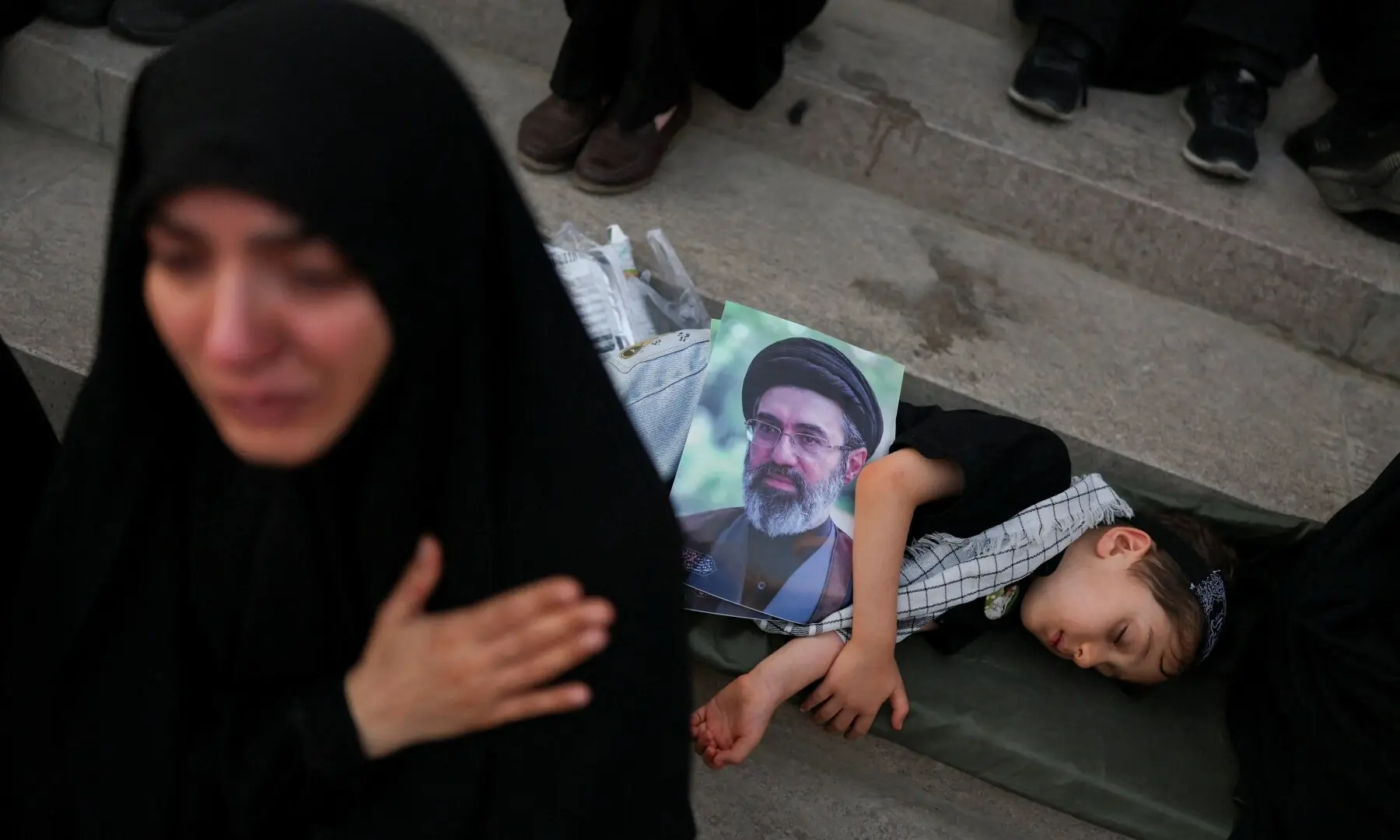
A child holding an image of Iran’s Supreme Leader Mojtaba Khamenei rests, on the day of a public farewell ceremony to pay their respects to late Supreme Leader Ayatollah Ali Khamenei, who was killed on February 28 in Israeli and US airstrikes, at the Imam Khomeini Grand Mosalla, in Tehran, Iran on July 4, 2026. — Reuters
The coffins of Iran’s slain supreme leader Ayatollah Ali Khamenei and his family members are pictured at the Grand Mosalla at the start of the funeral ceremonies in Tehran on July 4, 2026. — AFP
People attend a public farewell ceremony to pay their respects to late Supreme Leader Ayatollah Ali Khamenei, who was killed on February 28 in Israeli and US airstrikes, at the Imam Khomeini Grand Mosalla, in Tehran, Iran on July 4, 2026. — Reuters
Mourners react during a public farewell ceremony to pay their respects to late Supreme Leader Ayatollah Ali Khamenei, who was killed on February 28 in Israeli and US airstrikes, at the Imam Khomeini Grand Mosalla, in Tehran, Iran on July 4, 2026. — Reuters
Header image: Mourners react during a public farewell ceremony to pay their respects to late Supreme Leader Ayatollah Ali Khamenei, who was killed on February 28 in Israeli and US airstrikes, at the Imam Khomeini Grand Mosalla, in Tehran, Iran, on July 4, 2026. —Reuters
Information Minister Attaullah Tarar on Tuesday rubbished the notion that a proposed extension in the retirement age was to favour “one particular institution”, adding that the move would be implemented across the board if approved. The rebuttal comes in the wake of media reports claiming that the government was mulling changes to the Constitution to fix the tenure of the chief justice . Currently, judges of the Supreme Court, including the chief justice, retire after attaining the age of superannuation, i.e. 65 years, as stipulated in Article 179 of the Constitution. While giving his opinion recently on the reports of the constitutional amendment, Law Minister Azam Nazeer Tarar had said he “will not vehemently turn down the proposals related to the tenure of the chief justice”. Addressing the issue during a press conference in Islamabad today along since Finance Minister Muhammad Aurangzeb and the law minister, Attaullah said the extension in the retirement age was “a proposal to a...
Iran’s economy is going through one of its most difficult periods in years, fueled by sanctions, high inflation, and a significant drop in the value of the national currency, the rial. These pressures have had a direct impact on living standards and have also fueled recent protests. The protests began on Dec. 28 in commercial hubs in the capital Tehran, when shopkeepers, merchants, and small business owners staged strikes and demonstrations to protest soaring inflation, the collapsing rial, and deteriorating economic conditions, and have since grown into nationwide anti-government expressions of discontent involving workers, students, and others across multiple cities. The Iranian president said Sunday that his government is determined to address Iran’s economic problems amid the protests. Masoud Pezeshkian said the government admits to “shortcomings and problems” and is working hard to alleviate the people’s concerns, especially on the economy. Currency collapse at the centre of c...
Australian veteran Mitchell Starc became the most prolific left-arm paceman in Test history on Thursday, surpassing Pakistan great Wasim Akram. The 35-year-old bagged England’s Harry Brook at the Gabba in Brisbane on day one of the day-night second Ashes Test for his 415th wicket since his debut at the same ground 14 years ago. It moved him past Wasim, widely recognised as the greatest left-arm bowler the sport has seen. Wasim played 104 Tests for his 414 wickets with Starc reaching the milestone in his 102nd, helped by a career-best 7-58 in the first innings of the opening Ashes Test at Perth. Starc is now 16th on the all-time wicket-taker list and could move above both India’s Harbhajan Singh (417) and South Africa’s Shaun Pollock (421) in the current pink-ball Test. After that he will have New Zealand’s Richard Hadlee (431) in his sights. from Dawn - Home https://ift.tt/xclHiX2
Comments
Post a Comment