In international cricket, principle is often loud, emotional and instantly gratifying. Strategy, on the other hand, is quieter, slower, and frequently misunderstood.
Pakistan’s decision to eventually agree to play India on February 15 falls squarely in the latter category, and despite the initial optics, it is the right call.
The dramatic boycott call did what it needed to do early on. It created noise, unsettled the International Cricket Council (ICC), and earned Pakistan something it has been desperately short of in recent years: an ally.
Bangladesh’s open friction with the ICC and India over security, scheduling and governance issues suddenly aligned its interests with Pakistan’s.
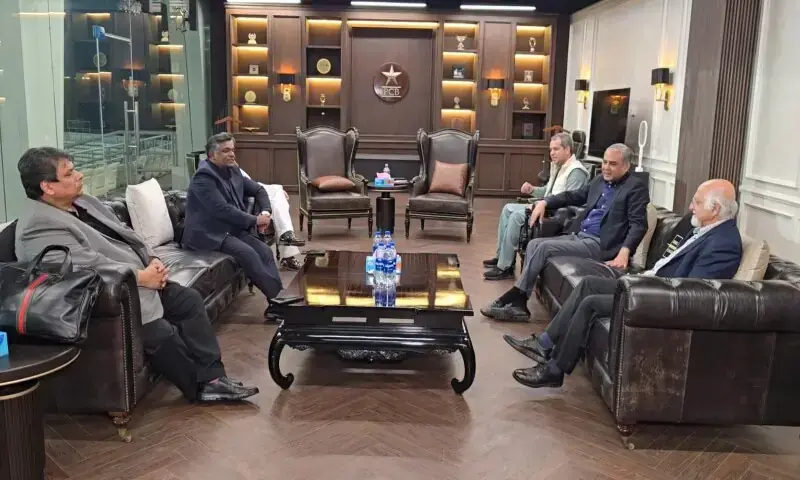
The alignment may be situational for now, but in a cricketing ecosystem where Pakistan often finds itself isolated, even a temporary ally matters. In what seemed like an emotional and loud drama initially, the Pakistan Cricket Board (PCB) has done something that suggests calculation rather than impulse.
The country’s stance carried weight morally as it played its strongest card not for immediate self-benefit, but in visible solidarity with another board, one with far less financial leverage and political capital.
The episode also forced a conversation about power imbalance in world cricket and structural marginalisation of smaller boards.
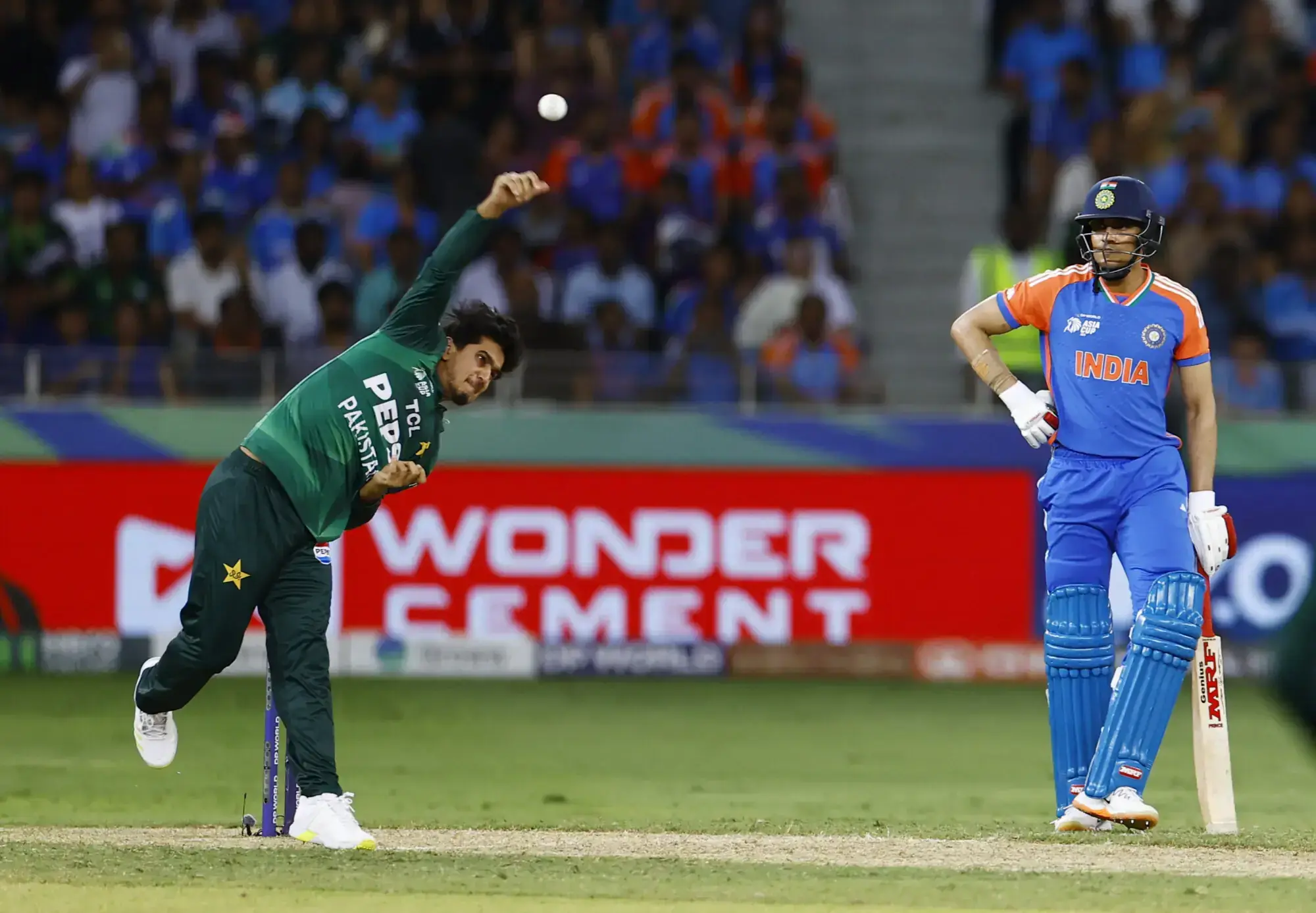
By standing with Bangladesh, Pakistan positioned itself not as a lone dissenter, but as part of a broader discomfort within the “middle tier” of cricket nations. However, the PCB has bills to pay, and such symbolic gestures, regardless of their strength, are not going to balance the books, which is why deciding to play the India game is a strategic win.
By taking the field on Sunday, Pakistan will avoid the twin disasters a boycott would have triggered: forfeiture of crucial match points and loss of ICC revenue. The former would not have hurt Pakistan competitively as much, given their record against India.
Of the 16 times the two arch-rivals have faced each other in the shortest format, Pakistan have only won three, while India dominates with 13 victories. Instead, it was the huge potential loss of money that got the governing body quiver at Pakistan’s boycott call.
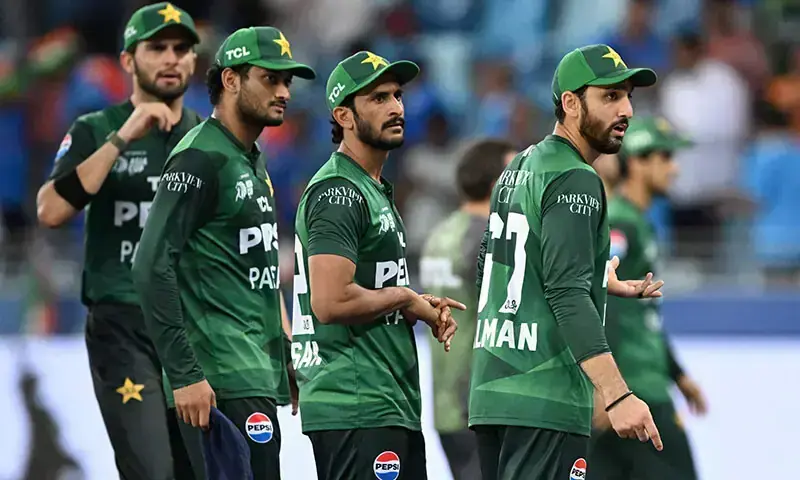
The uncomfortable truth of the India-Pakistan clash is that it is not merely a cricket match. It is a financial event, the economic engine that quietly funds the ICC’s ecosystem.
India receives 38.5 per cent of the ICC’s revenue distribution in the current cycle, which is more than what the next six boards receive combined. Pakistan’s share hovers around five to six per cent. This disparity is not an accident; it reflects market gravity.
The Indian broadcast market alone drives the bulk of ICC media rights, a deal worth billions over a four-year cycle, which is the major source of revenue for the governing body.
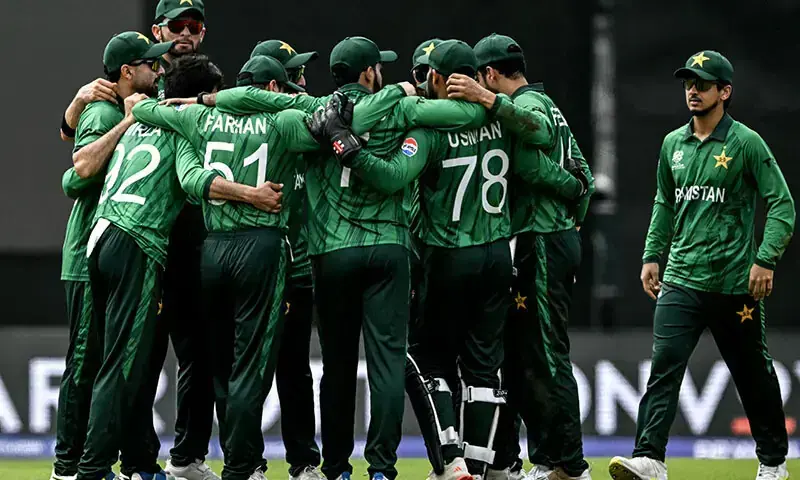
But despite receiving the lion’s share, the Board of Control for Cricket in India (BCCI)’s income doesn’t depend on the ICC, as its revenue is heavily dominated by the Indian Premier League (IPL) and bilateral series.
Hence, any financial loss to the ICC would not have impacted BCCI as strongly as it would have Pakistan and other cricket boards, whose incomes are heavily dependent on their ICC revenue share.
There is a reason India-Pakistan contests are manufactured into every ICC tournament. They are the biggest television events in cricket, reportedly accounting for 20-30pc of a tournament’s total broadcast value in a single match. The marquee encounter does not fund India’s cricket at a large scale, but it subsidises the ecosystem in which Pakistan cricket survives.
To risk that revenue for a dispute that was not even Pakistan’s own would have been strategically naive. Agreeing to play India also repairs and strengthens the PCB’s working relationship with other boards, particularly Sri Lanka and the United Arab Emirates (UAE), who strongly requested Pakistan to call off its boycott.
These are boards that Pakistan has often relied on for neutral venues, logistical cooperation and political support within ICC committees. A unilateral boycott would have made Pakistan appear rigid, pushing it further to the margins at a time when it needs quiet diplomacy, not loud isolation.
Lately, even the ICC has been accommodating towards the PCB, bending significantly by agreeing to a hybrid hosting model to ensure that Pakistan does not have to play in India.
Pushing the governing body further, especially when Pakistan lacks the financial muscle to challenge it head-on, would have been a dangerous escalation. The larger context is bleak, as the ICC is effectively run by India. This is not a conspiracy, but an economic reality.
India’s billion-plus market dictates broadcast value, sponsorship interest and administrative power. Complaining about reality without a long-term counter strategy is futile.
While boycotts feel defiant, the harsh reality is that they change nothing. Pakistan currently does not possess the commercial influence or on-field dominance required to force systemic change. That does not mean it should abandon principle altogether, but it must choose its battles wisely.
By taking a firm stance and then agreeing to play, the PCB has extracted narrative value without incurring material loss. It has shown that it can push back, but also that it understands its limitations.
In a sport that is increasingly governed by realpolitik, that balance matters.
Header image: Pakistan’s Hasan Ali in action with India’s Ravindra Jadeja before getting caught out by Shubman Gill during the blockbuster match at a heaving Narendra Modi Stadium on October 14, 2023. — File/Reuters
The author is a sports journalist.
from Dawn - Home https://ift.tt/UxE4rYS
Comments
Post a Comment