One of the most anticipated moments of Ramazan in many homes is iftar and its preparation. After a long day of fasting and prayers, naturally, everyone wishes to break their fast with their desired foods.
However, to keep ourselves healthy this Ramazan, it’s essential for our iftar menus to focus on what the body needs for its recovery instead of what solely tastes good on the palate. Don’t worry, this is not another list of things you already know; this one might surprise you.
Hydration
Almost every fasting individual has been told about how crucial drinking water during iftar is, and of course, that remains true, but there are some other options that can assist with the role of hydration during iftar besides just drinking water.
Cucumbers are one of the most hydrating foods, with their composition being over 90 per cent water. They are available in our local markets almost all year round, and should be a great addition to everyone’s iftar menus this Ramazan.
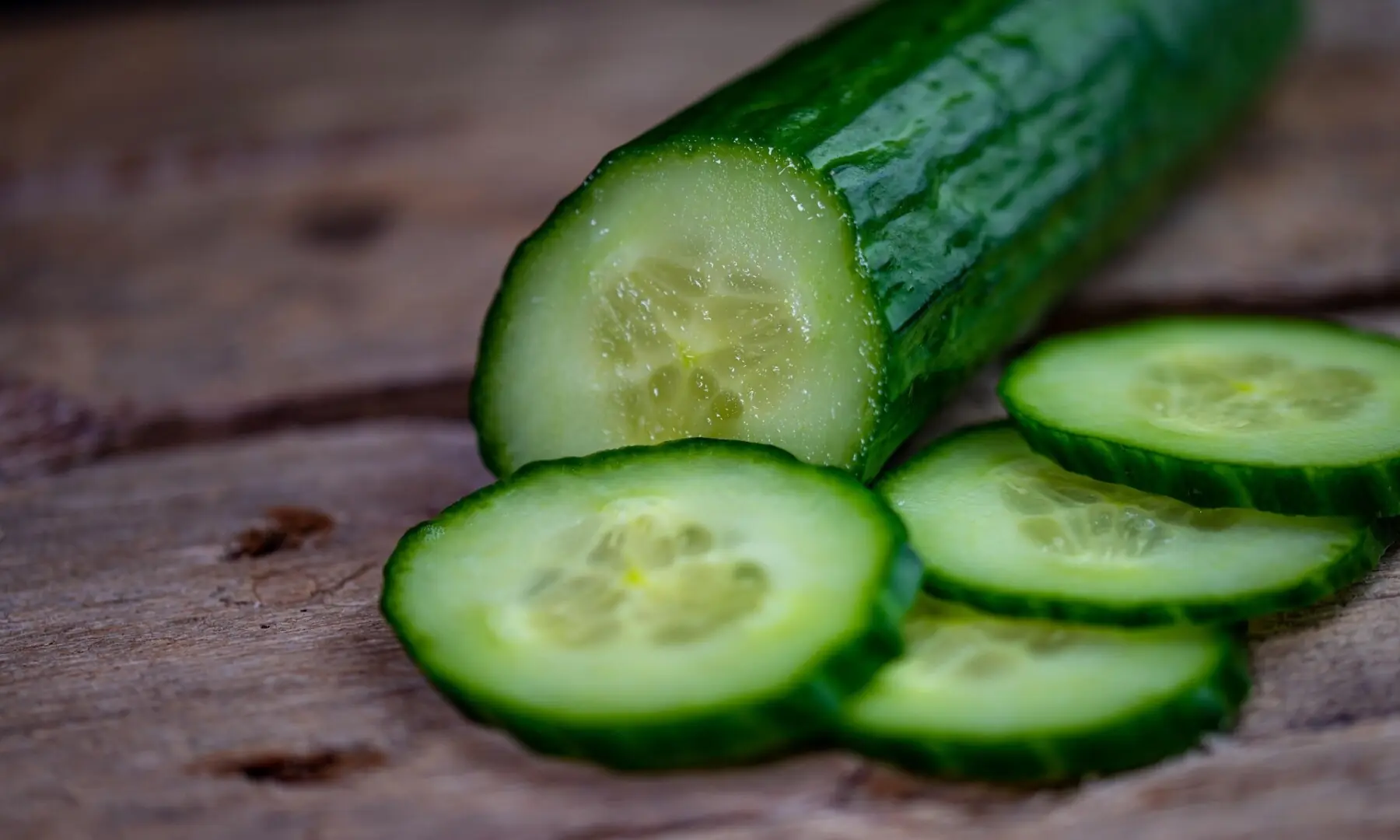
It might come as a surprise to some, but lettuce is also an extremely hydrating vegetable, with its water content being nearly the same as that of cucumbers. It might be difficult to incorporate cucumbers everywhere, but lettuces are much more diverse and can be added to a variety of items, from salads to wraps and much more.
Sweet cravings
After breaking the fast, many people tend to crave something sweet for iftar.
While such cravings are commonly met by sugary sweets, that is not what the body is truly asking for. The body requires items that won’t lead to a sugar spike followed by a crash. Foods like oranges, dates and chia seeds can assist here.
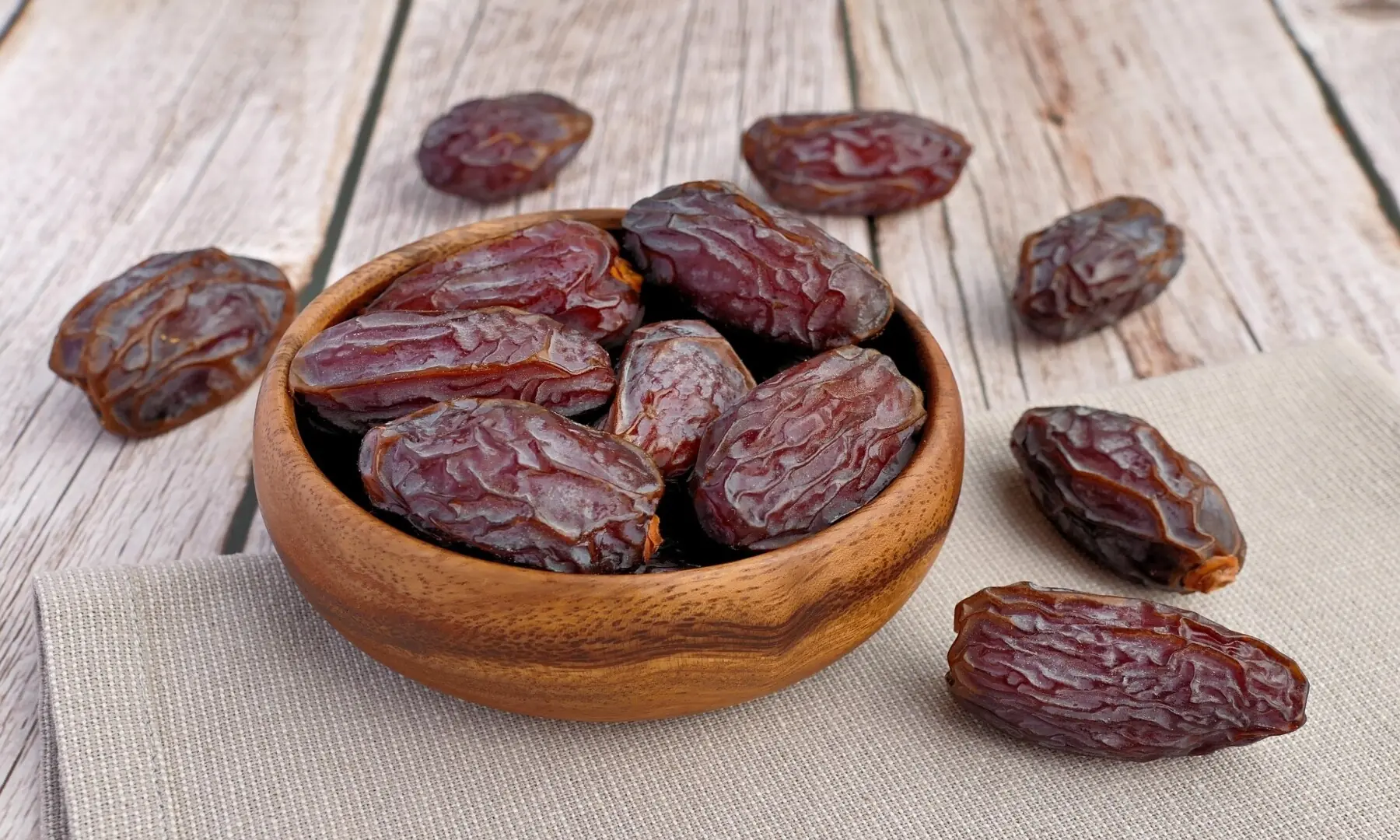
Dates have been the oldest occupant of iftar menus across the world, and for good reason. Though small in size, dates should not be ignored as they have a very high sugar and fibre content. Since the sugar is natural, it allows healthy absorption in the body and the fibres aid digestion after a long day of fasting.
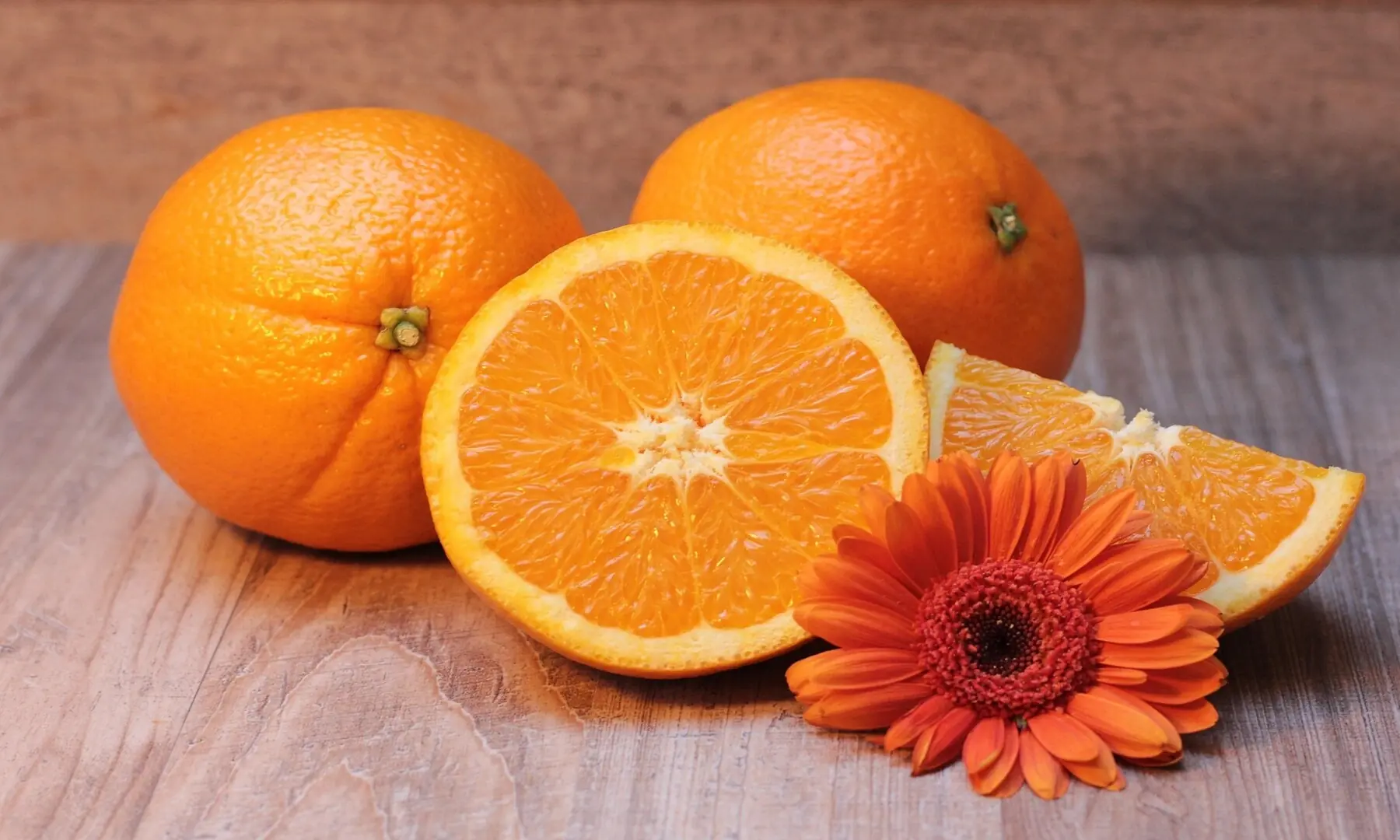
Oranges are also a great source of natural sugar. They may not have been very common during iftar, especially for Ramazan in summer, but it’s winter in many parts of the world right now, so they are readily available. Not only do oranges have high water and Vitamin C content, but they’re also high in fibre, making them easy to digest.
While not sweet on their own, chia seeds can be incorporated with other sweet items in many ways to make those items healthier. They are an excellent source of fibre and hydration for iftar, as they also absorb large amounts of water and aid digestion. They can be added to a variety of different desserts with yoghurt, peanut butter, and literally any other ingredient, or used as a “topping” too.
Gut health
While we have all surely heard of the good old warning of avoiding fried food and store-bought items, rarely do we ever pay heed to it.
It is understandable that sacrificing certain fried foods is difficult for many during iftar, but switching to some different cooking techniques and appliances can make these items healthier, especially for our gut after a long fast.
Instead of frying in oil or deep frying, using an air fryer can be a healthier alternative, as no oil is involved. Air frying is also much quicker and doesn’t require constant monitoring. Alternate cooking methods like baking, steaming, or grilling the same foods that we would oil fry can make them healthier for iftar too.
Oats are often despised by many, but they can be used in diverse ways. Popular foods like haleem and khichri can be made healthier if cooked with oats instead of their usual ingredients.
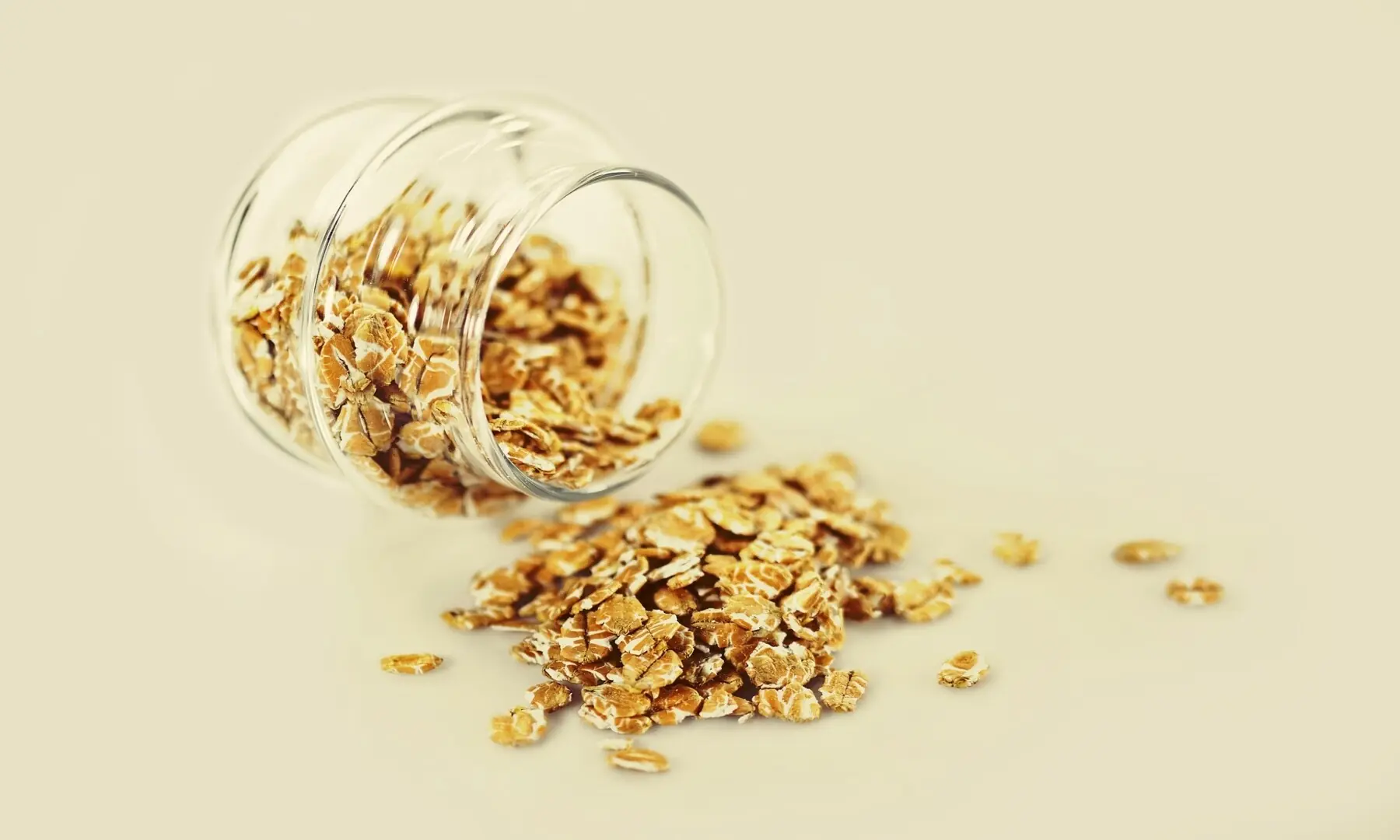
The difference in taste is hardly noticeable, but the health benefits are immense. Oats also have a very high fibre content and absorb sufficient water to keep the body hydrated. They prevent bloating and the “crash-out” caused by consuming other complex carbs like rice or bread.
How to eat
While the things we eat control our health during Ramazan, the method and order of consuming the different items on the iftar table also have a big impact on health.
It is important to begin with dates and water instead of juices or any other solid food. The dates allow a stable blood sugar rise while the water provides cells with hydration so that they can effectively work to digest the rest of the foods coming after.

It’s also very important to eat slowly, as the digestive system has been idle for a long time. Having some items first and leaving the rest to eat after finishing the Maghrib prayer is also a good option, to allow the body time to adjust and prevent drowsiness post iftar.
If we decide on healthy iftar habits right from the start, we will have a much easier and healthier time this Ramazan.
This article was originally published by The Daily Star, an ANN partner of Dawn. Header image by Christine Sponchia /Pixabay
from Dawn - Home https://ift.tt/sYt79pS
Comments
Post a Comment